

Loading...
Latest Updates📰

News

Read the latest stories, updates, and announcements from our education work.

The Notebook of Dreams
2026-01-21 By Zainab Rahimi

The Notebook of Dreams

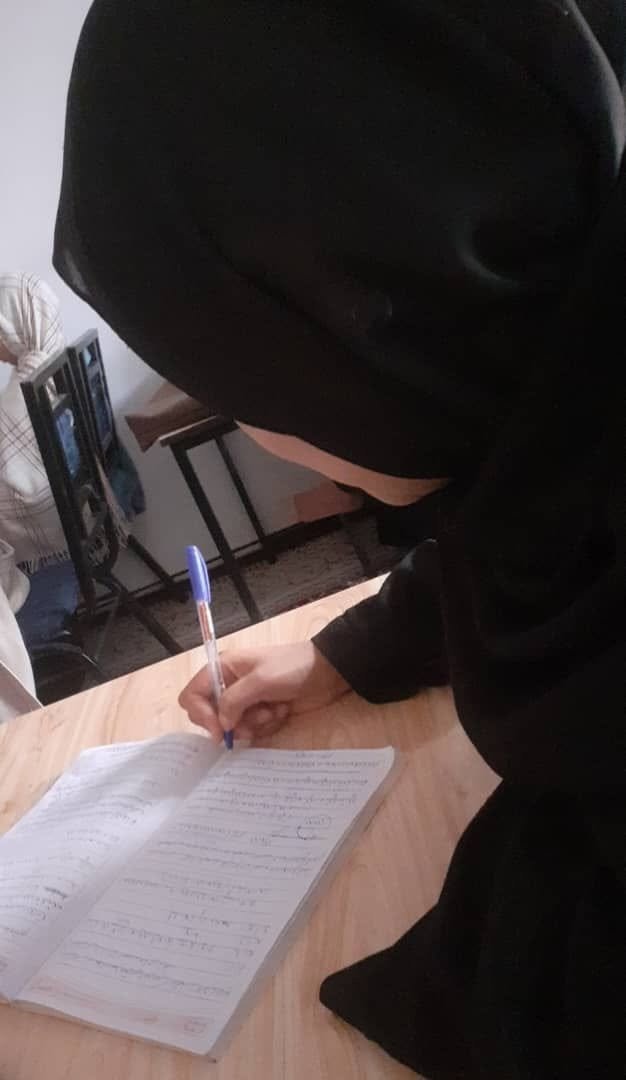
In a small village, a girl named Mahsa lived with her family. She had a heart full of hope, eyes that looked toward a bright future, and a smile that hid the pain of life. Every night, she fell asleep with a notebook full of dreams, and every morning, she woke up hoping to reach them. But life does not always go the way we wish. Mahsa was a 22-year-old girl, strong-willed, hardworking, and determined. From second grade onward, she was always the top student in her class. She was known as an outstanding student throughout her school years. Mahsa lived in a small village and carried many dreams in her heart, but because of her family’s poor financial situation, she could not properly prepare for the Kankor (national university entrance exam). In the winter of 2017, she graduated from high school and decided to go to Kabul to prepare for the Kankor. However, her family strongly opposed the idea. Mahsa refused to give up on the future she had imagined for herself. Day and night, she argued with her family until, after several days, they finally agreed to let her go. Although the preparation courses had already started and Mahsa was behind in her studies, she did not give up. On January 10, she arrived in Kabul and studied with all her strength. When the exam results were announced, she was accepted into the Pashto Language department at Rabbani University. But when she shared the news with her family. They opposed her continuing her education, and Mahsa was forced to take a one-year break from university. In the second year, she became engaged to a man from her community. He was educated and worked as an engineer. At his request, Mahsa spoke with her family again and managed to return to her studies. A few months later, at Mahsa’s father’s request, a wedding date was set. Mahsa strongly objected—she did not want to get married before completing her education. But no one took her words seriously. The pressure became so overwhelming that she reached the edge of suicide. One day, when she was alone in her dorm room, she decided to end her life. She wrote a letter to her family and left it on her bed. But as she placed the rope around her neck, a light of hope suddenly appeared in her heart. She spoke to her father once more, and this time, he agreed to delay the wedding for a few months. Despite this, Mahsa became more withdrawn and depressed each day. Over time, her family and fiancé realized her mental condition and took her to a psychologist. With medication and private counseling sessions, her treatment began. Unaware that her wedding was only days away, Mahsa got married—with a heavy heart full of sadness and disappointment. Still, she did not stop trying. A few months passed, and her life followed the routine of many married couples until the news of the Taliban’s return reached her. Educational centers, including the university where Mahsa studied were closed to girls. With the help of one of her university professors, Mahsa found a job at a United Nations office called UNAMA to help support her household financially. However, UNAMA advised her to apply for a scholarship and leave the country to continue her path. Due to opposition from her husband’s family, she was unable to take this opportunity. Today, Mahsa is one of many girls lost in confusion, depressed, withdrawn, and choosing solitude over social life. Her notebook of dreams is now closed. A girl whose heart once overflowed with hope now stares at closed doors every day, universities, schools, and every path that once led to light. Not because she was incapable, but because the world refused to listen to the voices of her dreams. Yet, she did not surrender. Even though she could not pass through those doors, a small flame of hope still burns in her heart.

Read more
When Kabul Fell, Our Dreams Fell Too: A Voice from a Forgotten Generation
2025-11-13 By Fatima Safari

When Kabul Fell, Our Dreams Fell Too: A Voice from a Forgotten Generation

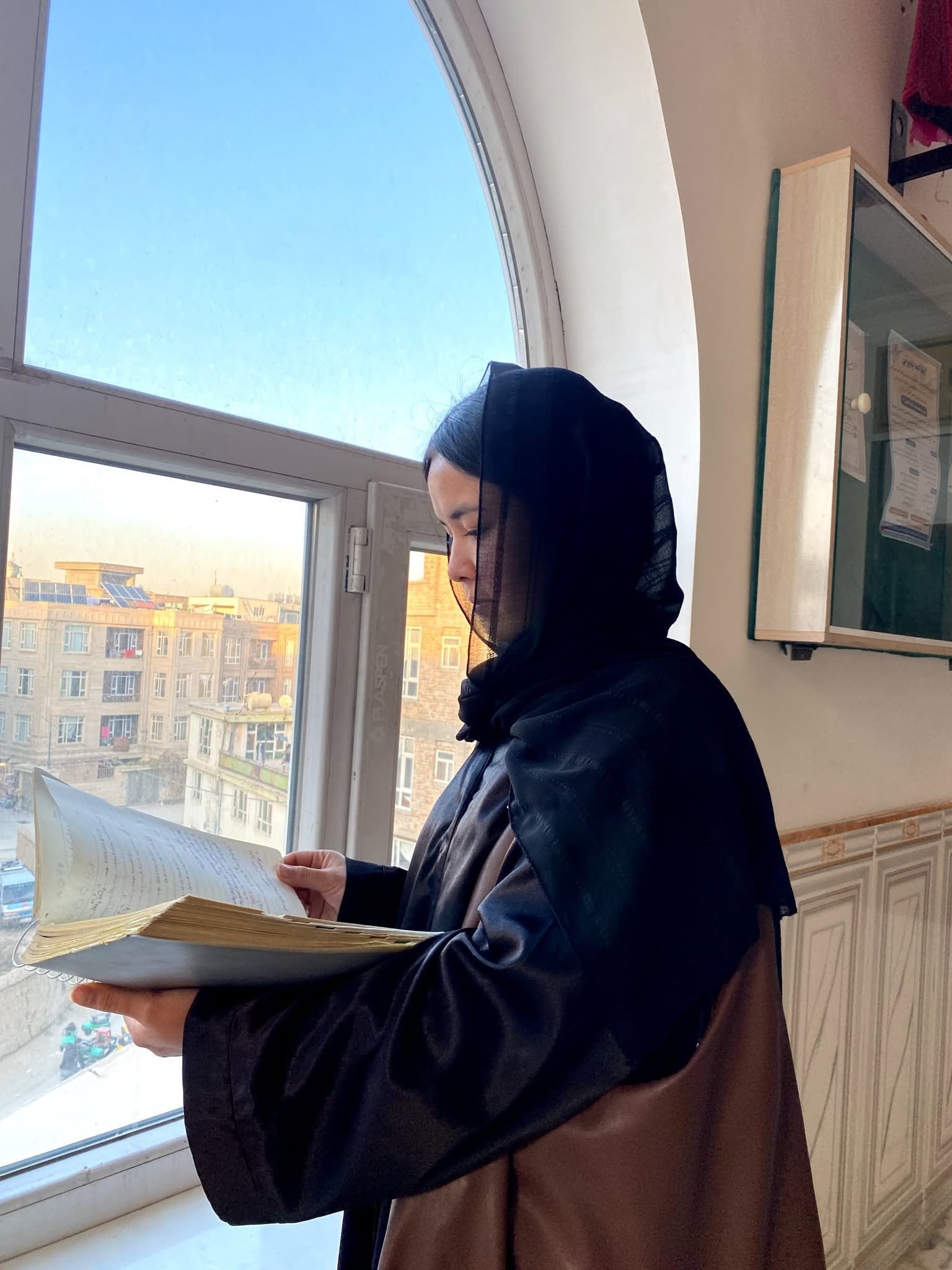
The year the Taliban returned, I remember my mother coming inside and saying people were running toward the airport. Everyone was saying the Taliban had entered Kabul and even the president had fled. I sat silently, unable to react, because I couldn’t believe our country had collapsed so suddenly. Outside, the noise of people grew louder. Everyone was running. Everyone was afraid. Even the little children, crying, kept repeating, “The Taliban are here!” It was a terrifying scene—people fleeing with tears streaming down their faces. Still, part of me refused to believe it. Around eleven o’clock, my brother called my mother from the university. “I’m coming home. The Taliban have taken Kabul,” he said. When my mother hung up, it felt like the weight of mountains had fallen onto her shoulders. Her face turned pale. She only whispered, “Take care of yourself.” I was supposed to take an exam that afternoon, but the school called and said classes were canceled for security reasons. Even then, I kept telling myself that maybe this wasn’t real, maybe someone would stop them. But no—this was the bitter truth we were forced to accept. We spent the night in fear. By morning, people were hiding inside their homes, and many were rushing to the airport, desperate to escape. The heartbreak of that moment lives in me even today. The next day, it was announced that schools were closed because the government had fallen. At first, I felt nothing. I thought it was temporary. But now, when I look back, I see myself lost in a darkness I never imagined. I don’t know which path will save me from these problems. I feel trapped within four walls. Sometimes I tell myself that maybe after all this darkness, there will be light—but some days I fear I will disappear inside it. Everyone was talking about the airport. The scenes were unbelievable. It felt like the entire population of Afghanistan had gone there, trying to leave. The crowd was overwhelming. Everywhere you could hear children crying—even newborns only a few days old. Under the burning heat, people waited endlessly, hoping for a chance to escape. The foreign soldiers were harsh, but even their harshness felt like hope—because people just wanted to get inside. During the first evacuation flight to the United States, two men fell from the plane. That image will never leave our memories. It showed how desperate people were to escape, even if it meant risking their lives. That single moment became a symbol of a nation trying to survive its own collapse. For days and nights, thousands kept rushing to the airport. Morning or midnight it didn’t matter. Everyone repeated the same words: “The Taliban have come. Afghanistan is no longer a place to live.” One of those days, an explosion happened at the airport. Many were injured. Many were killed. Families were shattered. Some mothers, in the chaos, even left their children behind. The trauma of that day will stay with our generation forever. A year later, the Taliban began enforcing their harsh restrictions. I cannot choose my own clothes. I cannot go anywhere freely. I cannot study freely. Every few weeks, they shut down courses and classes, hoping we will eventually give up. But I will never give up—not even if it costs me my life. I will continue on my path. On January 3rd, the Taliban started arresting innocent girls. They blamed hijab and clothing, even though many of the girls they detained were fully covered. The world watched in silence. Two sisters who were detained returned home after a week and took their own lives. Dozens of other girls faced the same fate. Hearing their stories broke me mentally and emotionally. The wounds still burn inside me. Today, I feel destroyed from the inside. My future is unclear. I don’t know what to do. I feel lost, mentally and emotionally exhausted—like thousands of other Afghan girls. For four years, we have been deprived of freedom, education, and life itself. These four dark years have felt like a century. Dear world, We need you to be our voice. Do not let Afghan girls lose their right to education, to work, to freedom. Do not let us disappear like this.

Read more
The Life of a Little Girl
2025-11-02 By Farida Malekzada

The Life of a Little Girl

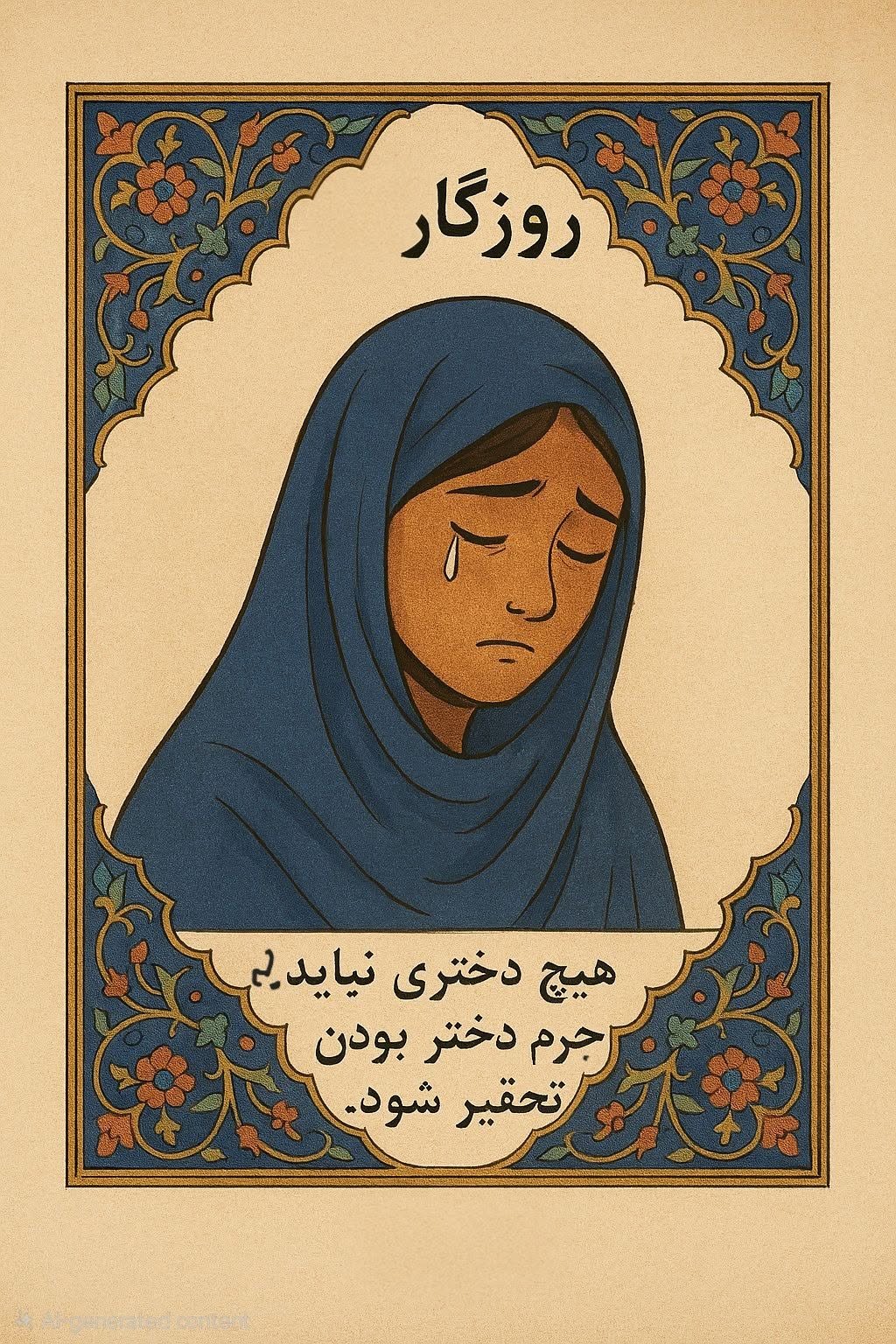
A little girl is born—not because she chose to be. “If only it had been my choice. Perhaps I would have been born in a place where people knew how to care for me.” She opens her eyes in a society where patriarchy holds the greatest power. She is pure as the moon, clear as flowing water, gentle as the rain, and honest as a mirror. Yet she grows up in a world where people’s opinions matter more than truth—a society filled with judgment and unfair expectations. A place where others decide lives on behalf of others. In such a world, a precious pearl is born, but no one recognizes her value or knows how to protect her. People throw stones at broken glass, not realizing they are only causing more damage—driven by selfishness and ignorance. In the past, before marriage, the groom’s family searched for a girl who was beautiful, modest, and skilled in household work. The younger she was, the better. No one asked the girl or the boy whether they wanted the marriage. Everything was decided by fathers and village elders. The groom’s father, along with community elders, would visit the bride’s family. They asked about land, wealth, and status—but never about character, respect, or happiness. Girls had no voice in their own future. Some were lucky, others were not. Their role was simply to obey. In a remote village, a young woman and man were married and began a new life. The bride left her home with hope, entering a world that felt completely unfamiliar—new house, new people, new life. Tradition said a bride should not leave her husband’s house for one full year, not even to visit her parents. One year later, she would return with gifts. Ziyagul once said: “The day I left my father’s house, he told my mother: ‘Don’t be sad. A daughter belongs to another family.’” From that moment, I became “someone else’s daughter.” I often wondered: Why do girls never truly have a home of their own? At first, my husband’s family treated me kindly. But soon, everything changed. “Aren’t you pregnant yet?” they asked again and again. Days passed filled with prayers, superstitions, and traditional healers. A year later, I was blamed: “The bride is infertile.” No one questioned my husband—only me. When I visited my mother, I cried and told her everything. She said gently, “Why don’t you go to a doctor?” But my mother-in-law did not allow it. One day, I finally spoke to my husband: “Let’s go to a doctor together.” He thought I was sick. But I cried and told him: “I cannot become a mother.” He comforted me and said, “God is great. Everything will be fine.” After medical tests, we discovered the problem was not mine—it was my husband’s But I kept it secret to protect his dignity. We took treatment quietly for years while society continued to judge me. Five years passed. Then, a miracle happened—I became pregnant. But happiness did not last long. My mother-in-law said coldly: “If it is a girl, my son must marry another woman.” I cried and asked, “What is wrong with having a daughter?” No one answered. Later, the doctor revealed I was expecting twins—a boy and a girl. For the first time, my husband stood against his mother: “I will not allow anyone to insult my wife or children. We will live separately.” We moved into our own home and began a peaceful life. Over time, I even helped rebuild the relationship between my husband and his mother. Peace returned, but things were never the same again. Today, I live a quiet life with my family. I have learned one truth: No judgment is worth losing your peace. And above all: No girl should ever be humiliated simply because she is a girl.

Read more
Support the mission

Help Afghan girls keep learning

Your donation helps provide teachers, learning materials, online classes, and a safer path toward an American high school diploma.

Help Afghan Girls Earn an American High School Diploma

$1,080 USD raised of $4,200 goal · 10 donations

Donate now