
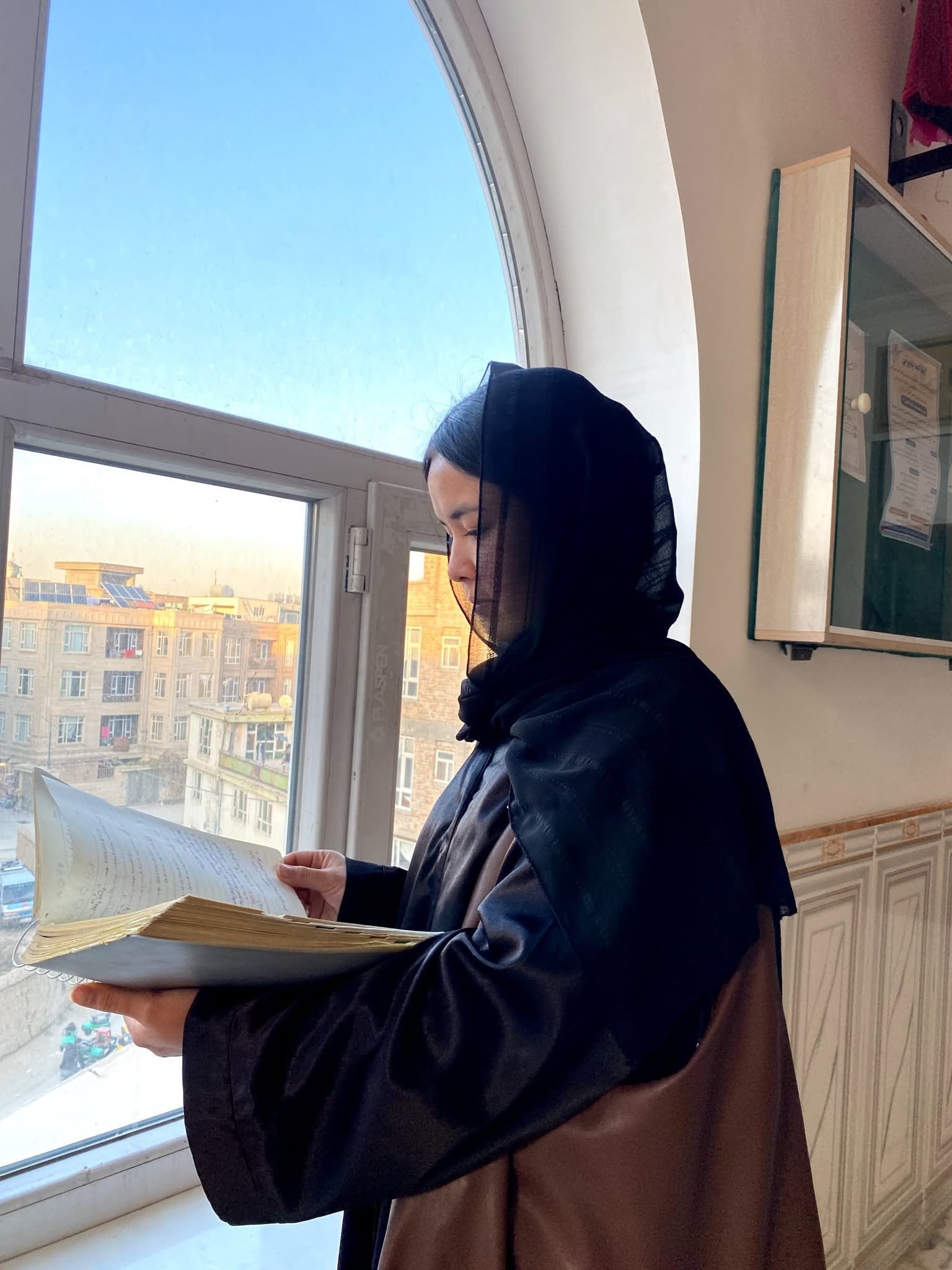
When Kabul Fell, Our Dreams Fell Too: A Voice from a Forgotten Generation
The year the Taliban returned, I remember my mother coming inside and saying people were running toward the airport. Everyone was saying the Taliban had entered Kabul and even the president had fled. I sat silently, unable to react, because I couldn’t believe our country had collapsed so suddenly. Outside, the noise of people grew louder. Everyone was running. Everyone was afraid. Even the little children, crying, kept repeating, “The Taliban are here!”
It was a terrifying scene—people fleeing with tears streaming down their faces. Still, part of me refused to believe it. Around eleven o’clock, my brother called my mother from the university. “I’m coming home. The Taliban have taken Kabul,” he said. When my mother hung up, it felt like the weight of mountains had fallen onto her shoulders. Her face turned pale. She only whispered, “Take care of yourself.”
I was supposed to take an exam that afternoon, but the school called and said classes were canceled for security reasons. Even then, I kept telling myself that maybe this wasn’t real, maybe someone would stop them. But no—this was the bitter truth we were forced to accept. We spent the night in fear. By morning, people were hiding inside their homes, and many were rushing to the airport, desperate to escape. The heartbreak of that moment lives in me even today.
The next day, it was announced that schools were closed because the government had fallen. At first, I felt nothing. I thought it was temporary. But now, when I look back, I see myself lost in a darkness I never imagined. I don’t know which path will save me from these problems. I feel trapped within four walls. Sometimes I tell myself that maybe after all this darkness, there will be light—but some days I fear I will disappear inside it.
Everyone was talking about the airport. The scenes were unbelievable. It felt like the entire population of Afghanistan had gone there, trying to leave. The crowd was overwhelming. Everywhere you could hear children crying—even newborns only a few days old. Under the burning heat, people waited endlessly, hoping for a chance to escape. The foreign soldiers were harsh, but even their harshness felt like hope—because people just wanted to get inside.
During the first evacuation flight to the United States, two men fell from the plane. That image will never leave our memories. It showed how desperate people were to escape, even if it meant risking their lives. That single moment became a symbol of a nation trying to survive its own collapse.
For days and nights, thousands kept rushing to the airport. Morning or midnight it didn’t matter. Everyone repeated the same words: “The Taliban have come. Afghanistan is no longer a place to live.”
One of those days, an explosion happened at the airport. Many were injured. Many were killed. Families were shattered. Some mothers, in the chaos, even left their children behind. The trauma of that day will stay with our generation forever.
A year later, the Taliban began enforcing their harsh restrictions.
I cannot choose my own clothes.
I cannot go anywhere freely.
I cannot study freely.
Every few weeks, they shut down courses and classes, hoping we will eventually give up. But I will never give up—not even if it costs me my life. I will continue on my path.
On January 3rd, the Taliban started arresting innocent girls. They blamed hijab and clothing, even though many of the girls they detained were fully covered. The world watched in silence. Two sisters who were detained returned home after a week and took their own lives. Dozens of other girls faced the same fate. Hearing their stories broke me mentally and emotionally. The wounds still burn inside me.
Today, I feel destroyed from the inside. My future is unclear. I don’t know what to do. I feel lost, mentally and emotionally exhausted—like thousands of other Afghan girls. For four years, we have been deprived of freedom, education, and life itself. These four dark years have felt like a century.
Dear world,
We need you to be our voice.
Do not let Afghan girls lose their right to education, to work, to freedom.
Do not let us disappear like this.
It was a terrifying scene—people fleeing with tears streaming down their faces. Still, part of me refused to believe it. Around eleven o’clock, my brother called my mother from the university. “I’m coming home. The Taliban have taken Kabul,” he said. When my mother hung up, it felt like the weight of mountains had fallen onto her shoulders. Her face turned pale. She only whispered, “Take care of yourself.”
I was supposed to take an exam that afternoon, but the school called and said classes were canceled for security reasons. Even then, I kept telling myself that maybe this wasn’t real, maybe someone would stop them. But no—this was the bitter truth we were forced to accept. We spent the night in fear. By morning, people were hiding inside their homes, and many were rushing to the airport, desperate to escape. The heartbreak of that moment lives in me even today.
The next day, it was announced that schools were closed because the government had fallen. At first, I felt nothing. I thought it was temporary. But now, when I look back, I see myself lost in a darkness I never imagined. I don’t know which path will save me from these problems. I feel trapped within four walls. Sometimes I tell myself that maybe after all this darkness, there will be light—but some days I fear I will disappear inside it.
Everyone was talking about the airport. The scenes were unbelievable. It felt like the entire population of Afghanistan had gone there, trying to leave. The crowd was overwhelming. Everywhere you could hear children crying—even newborns only a few days old. Under the burning heat, people waited endlessly, hoping for a chance to escape. The foreign soldiers were harsh, but even their harshness felt like hope—because people just wanted to get inside.
During the first evacuation flight to the United States, two men fell from the plane. That image will never leave our memories. It showed how desperate people were to escape, even if it meant risking their lives. That single moment became a symbol of a nation trying to survive its own collapse.
For days and nights, thousands kept rushing to the airport. Morning or midnight it didn’t matter. Everyone repeated the same words: “The Taliban have come. Afghanistan is no longer a place to live.”
One of those days, an explosion happened at the airport. Many were injured. Many were killed. Families were shattered. Some mothers, in the chaos, even left their children behind. The trauma of that day will stay with our generation forever.
A year later, the Taliban began enforcing their harsh restrictions.
I cannot choose my own clothes.
I cannot go anywhere freely.
I cannot study freely.
Every few weeks, they shut down courses and classes, hoping we will eventually give up. But I will never give up—not even if it costs me my life. I will continue on my path.
On January 3rd, the Taliban started arresting innocent girls. They blamed hijab and clothing, even though many of the girls they detained were fully covered. The world watched in silence. Two sisters who were detained returned home after a week and took their own lives. Dozens of other girls faced the same fate. Hearing their stories broke me mentally and emotionally. The wounds still burn inside me.
Today, I feel destroyed from the inside. My future is unclear. I don’t know what to do. I feel lost, mentally and emotionally exhausted—like thousands of other Afghan girls. For four years, we have been deprived of freedom, education, and life itself. These four dark years have felt like a century.
Dear world,
We need you to be our voice.
Do not let Afghan girls lose their right to education, to work, to freedom.
Do not let us disappear like this.