
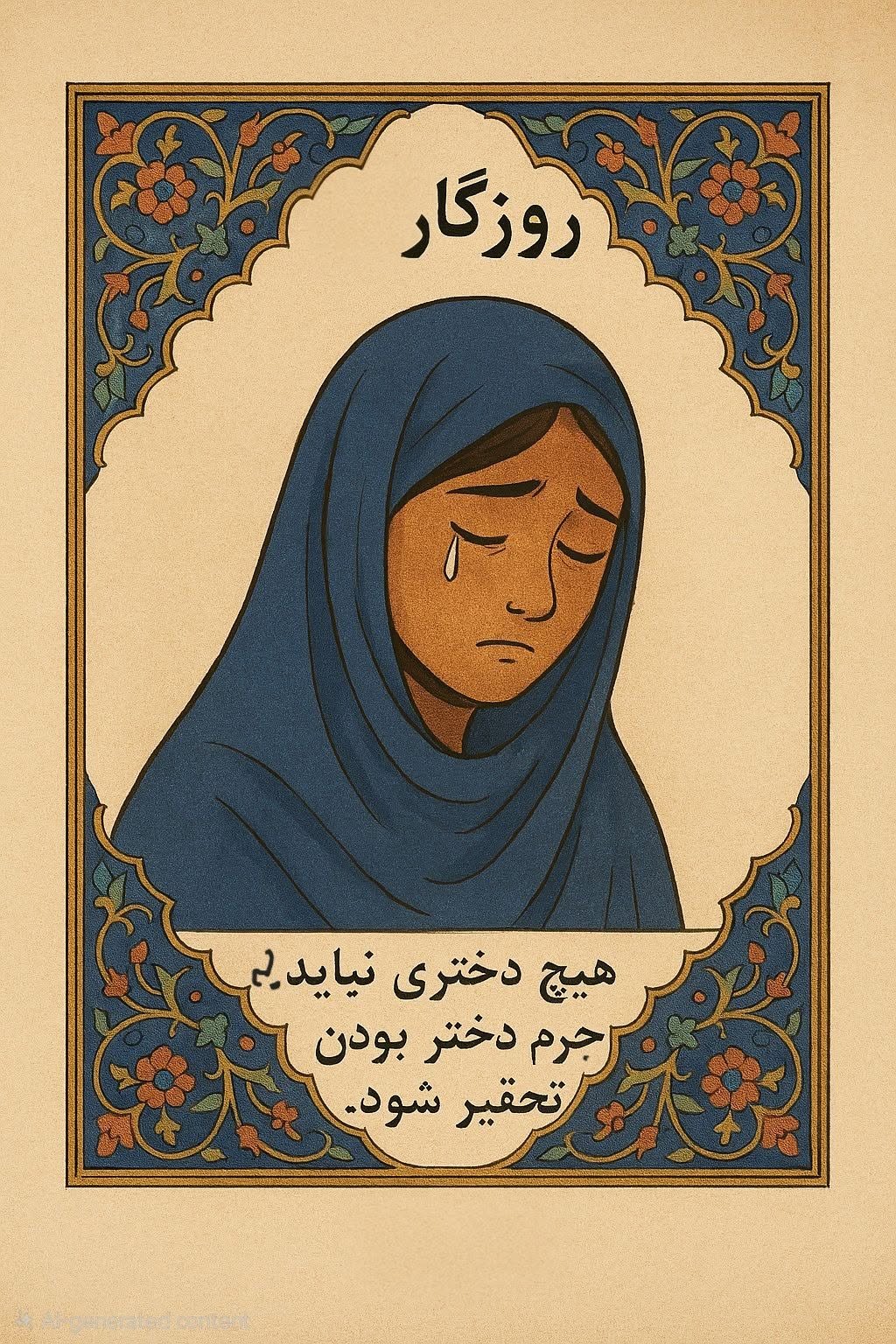
The Life of a Little Girl
A little girl is born—not because she chose to be.
“If only it had been my choice. Perhaps I would have been born in a place where people knew how to care for me.”
She opens her eyes in a society where patriarchy holds the greatest power.
She is pure as the moon, clear as flowing water, gentle as the rain, and honest as a mirror. Yet she grows up in a world where people’s opinions matter more than truth—a society filled with judgment and unfair expectations. A place where others decide lives on behalf of others.
In such a world, a precious pearl is born, but no one recognizes her value or knows how to protect her.
People throw stones at broken glass, not realizing they are only causing more damage—driven by selfishness and ignorance.
In the past, before marriage, the groom’s family searched for a girl who was beautiful, modest, and skilled in household work. The younger she was, the better.
No one asked the girl or the boy whether they wanted the marriage. Everything was decided by fathers and village elders.
The groom’s father, along with community elders, would visit the bride’s family. They asked about land, wealth, and status—but never about character, respect, or happiness.
Girls had no voice in their own future. Some were lucky, others were not. Their role was simply to obey.
In a remote village, a young woman and man were married and began a new life.
The bride left her home with hope, entering a world that felt completely unfamiliar—new house, new people, new life.
Tradition said a bride should not leave her husband’s house for one full year, not even to visit her parents.
One year later, she would return with gifts.
Ziyagul once said:
“The day I left my father’s house, he told my mother: ‘Don’t be sad. A daughter belongs to another family.’”
From that moment, I became “someone else’s daughter.”
I often wondered:
Why do girls never truly have a home of their own?
At first, my husband’s family treated me kindly. But soon, everything changed.
“Aren’t you pregnant yet?” they asked again and again.
Days passed filled with prayers, superstitions, and traditional healers. A year later, I was blamed:
“The bride is infertile.”
No one questioned my husband—only me.
When I visited my mother, I cried and told her everything.
She said gently,
“Why don’t you go to a doctor?”
But my mother-in-law did not allow it.
One day, I finally spoke to my husband:
“Let’s go to a doctor together.”
He thought I was sick. But I cried and told him:
“I cannot become a mother.”
He comforted me and said,
“God is great. Everything will be fine.”
After medical tests, we discovered the problem was not mine—it was my husband’s
But I kept it secret to protect his dignity.
We took treatment quietly for years while society continued to judge me.
Five years passed.
Then, a miracle happened—I became pregnant.
But happiness did not last long.
My mother-in-law said coldly:
“If it is a girl, my son must marry another woman.”
I cried and asked,
“What is wrong with having a daughter?”
No one answered.
Later, the doctor revealed I was expecting twins—a boy and a girl.
For the first time, my husband stood against his mother:
“I will not allow anyone to insult my wife or children. We will live separately.”
We moved into our own home and began a peaceful life.
Over time, I even helped rebuild the relationship between my husband and his mother.
Peace returned, but things were never the same again.
Today, I live a quiet life with my family.
I have learned one truth:
No judgment is worth losing your peace.
And above all:
No girl should ever be humiliated simply because she is a girl.
“If only it had been my choice. Perhaps I would have been born in a place where people knew how to care for me.”
She opens her eyes in a society where patriarchy holds the greatest power.
She is pure as the moon, clear as flowing water, gentle as the rain, and honest as a mirror. Yet she grows up in a world where people’s opinions matter more than truth—a society filled with judgment and unfair expectations. A place where others decide lives on behalf of others.
In such a world, a precious pearl is born, but no one recognizes her value or knows how to protect her.
People throw stones at broken glass, not realizing they are only causing more damage—driven by selfishness and ignorance.
In the past, before marriage, the groom’s family searched for a girl who was beautiful, modest, and skilled in household work. The younger she was, the better.
No one asked the girl or the boy whether they wanted the marriage. Everything was decided by fathers and village elders.
The groom’s father, along with community elders, would visit the bride’s family. They asked about land, wealth, and status—but never about character, respect, or happiness.
Girls had no voice in their own future. Some were lucky, others were not. Their role was simply to obey.
In a remote village, a young woman and man were married and began a new life.
The bride left her home with hope, entering a world that felt completely unfamiliar—new house, new people, new life.
Tradition said a bride should not leave her husband’s house for one full year, not even to visit her parents.
One year later, she would return with gifts.
Ziyagul once said:
“The day I left my father’s house, he told my mother: ‘Don’t be sad. A daughter belongs to another family.’”
From that moment, I became “someone else’s daughter.”
I often wondered:
Why do girls never truly have a home of their own?
At first, my husband’s family treated me kindly. But soon, everything changed.
“Aren’t you pregnant yet?” they asked again and again.
Days passed filled with prayers, superstitions, and traditional healers. A year later, I was blamed:
“The bride is infertile.”
No one questioned my husband—only me.
When I visited my mother, I cried and told her everything.
She said gently,
“Why don’t you go to a doctor?”
But my mother-in-law did not allow it.
One day, I finally spoke to my husband:
“Let’s go to a doctor together.”
He thought I was sick. But I cried and told him:
“I cannot become a mother.”
He comforted me and said,
“God is great. Everything will be fine.”
After medical tests, we discovered the problem was not mine—it was my husband’s
But I kept it secret to protect his dignity.
We took treatment quietly for years while society continued to judge me.
Five years passed.
Then, a miracle happened—I became pregnant.
But happiness did not last long.
My mother-in-law said coldly:
“If it is a girl, my son must marry another woman.”
I cried and asked,
“What is wrong with having a daughter?”
No one answered.
Later, the doctor revealed I was expecting twins—a boy and a girl.
For the first time, my husband stood against his mother:
“I will not allow anyone to insult my wife or children. We will live separately.”
We moved into our own home and began a peaceful life.
Over time, I even helped rebuild the relationship between my husband and his mother.
Peace returned, but things were never the same again.
Today, I live a quiet life with my family.
I have learned one truth:
No judgment is worth losing your peace.
And above all:
No girl should ever be humiliated simply because she is a girl.